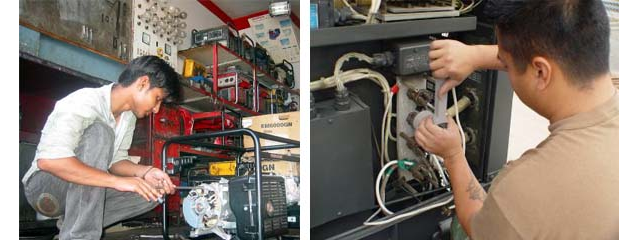
In industrial settings, we ensuring proper earthing installation, testing, commissioning, and auditing is crucial for the safety and efficiency of operations. Earthing plays a vital role in protecting equipment, personnel, and structures from the harmful effects of electrical faults, lightning strikes, and surges. This comprehensive guide covers the importance of earthing in industries, the process of installation, testing, commissioning, and auditing, as well as key considerations for implementing a robust earthing system.
Provide Awareness on the bellows
Importance of Earthing System
Earthing, also known as grounding, is the process of establishing a connection between electrical systems and the earth to prevent the buildup of dangerous voltages. In industries, where complex electrical systems are in place, proper earthing is essential to:
1. Ensure the safety of personnel: By providing a safe path for fault currents to flow to the ground, earthing helps prevent electric shocks and electrocution, safeguarding the lives of workers.
2. Protect equipment and structures: Effective earthing helps dissipate excess electrical energy, reducing the risk of damage to sensitive equipment and buildings due to lightning strikes or power surges.
3. Ensure operational efficiency: A well-designed earthing system minimizes the risk of downtime caused by electrical faults, ensuring uninterrupted operations and avoiding costly disruptions.
Earthing Installation Process
The installation of an earthing system in an industrial facility involves several key steps:
1. Site survey and design: An initial site survey is conducted to assess the specific requirements and risks associated with the facility. Based on this assessment, a detailed earthing design is developed, taking into account factors such as soil resistivity, fault currents, and equipment grounding needs.
2. Material selection: High-quality earthing materials, such as copper rods, conductors, and grounding electrodes, are selected based on the design specifications to ensure long-term reliability and performance.
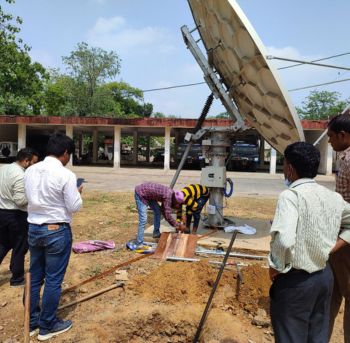
3. Installation of electrodes: Grounding electrodes are installed in strategic locations around the facility to provide effective grounding. These electrodes are buried at specified depths to optimize contact with the earth and minimize resistance.
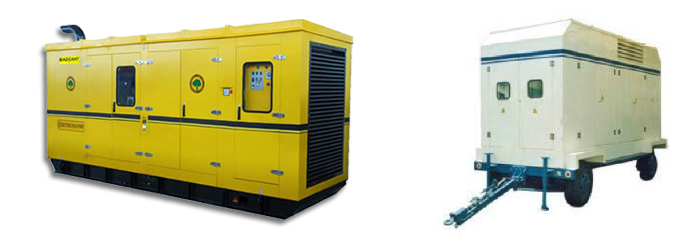
4. Connection of equipment: All electrical equipment, including transformers, generators, and switchgear, are properly connected to the earthing system to facilitate the safe dissipation of fault currents.
Earthing Testing and Commissioning
Once the earthing system is installed, thorough testing and commissioning are essential to verify its effectiveness and compliance with industry standards. The testing process typically includes:
1. Soil resistivity testing: This test measures the electrical resistivity of the soil at various locations to ensure that the chosen grounding system will perform as intended.
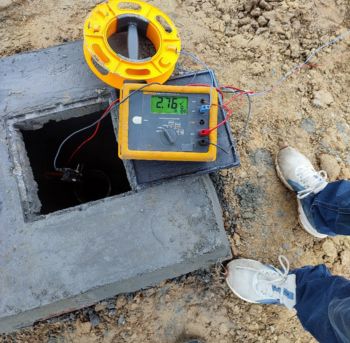
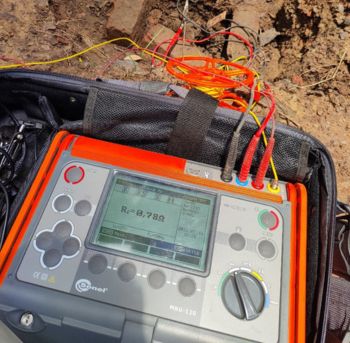
2. Earth electrode testing: The resistance of the grounding electrodes is measured to confirm that they provide a low-resistance path to the ground.
3. Continuity testing: The integrity of the earthing system is verified by conducting continuity tests to ensure that all components are properly connected and functional.
4. Impulse testing: To assess the system's response to lightning surges, impulse testing is performed to simulate the effects of high-energy electrical events.
After successful testing, the earthing system is commissioned for operation, and detailed documentation of the installation and testing procedures is provided for reference and future maintenance.
Earthing Auditing and Maintenance
Regular auditing and maintenance of the earthing system are essential to ensure ongoing safety and performance. Auditing involves:
1. Visual inspections: Periodic visual inspections of the earthing system are conducted to check for signs of corrosion, damage, or degradation that could affect its effectiveness.
2. Resistance testing: Routine resistance testing is performed to monitor changes in the resistance of the grounding system and identify any potential issues that need to be addressed.
3. Compliance check: Auditing ensures that the earthing system remains compliant with industry standards and regulatory requirements, helping to mitigate risks of non-compliance.
By conducting regular audits and implementing proactive maintenance measures, industrial facilities can ensure the continued reliability and effectiveness of their earthing systems, reducing the likelihood of electrical accidents and downtime.
Conclusion
In conclusion, a well-executed earthing installation, testing, commissioning, and auditing process is essential for ensuring the safety, reliability, and compliance of industrial facilities. By partnering with us - Laxmi Power Solutions Private Limited, You can take benefit of our expert guidance, quality solutions, and ongoing support to address their earthing needs effectively.
For more information on our earthing services and how we can help safeguard your industrial operations, please contact us today. Our team of specialists is ready to assist you with all aspects of earthing installation, testing, commissioning, and auditing to ensure the highest standards of safety and compliance in your facility.